
Nepal Election 2026: Historic Mandate, Youth Wave and Political Transformation

Key Takeaways
- Nepal held its general election on March 5, 2026, the first major vote following widespread youth protests in 2025.
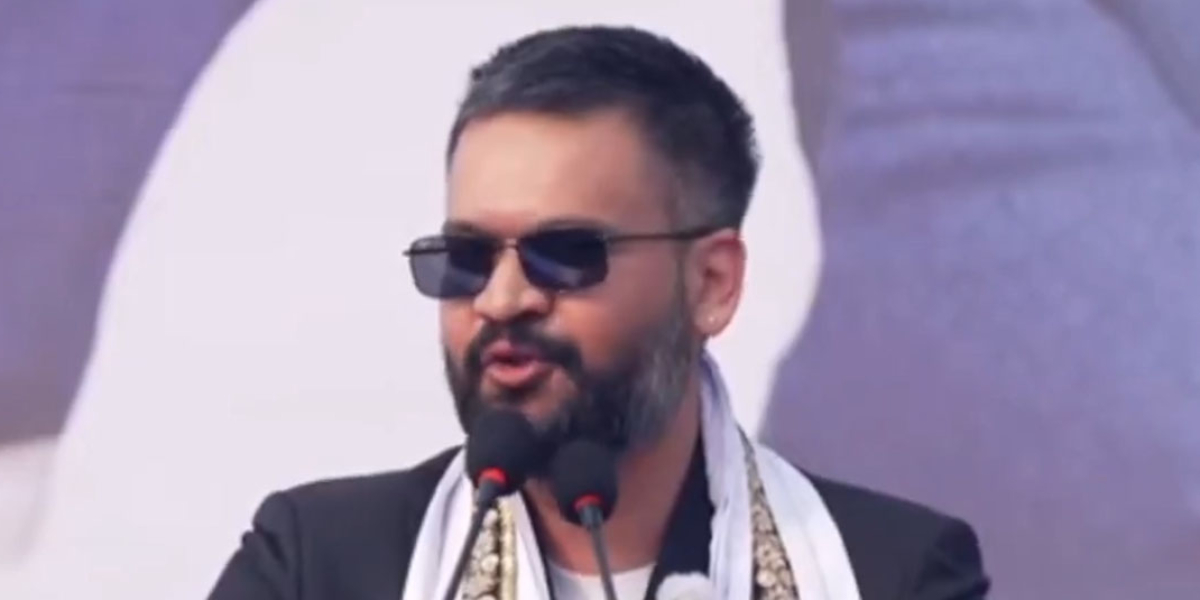
- The Rastriya Swatantra Party (RSP), led by Balendra “Balen” Shah, is set to form the next government after a historic electoral sweep.
- Traditional powerhouses like Nepali Congress and CPN-UML suffered substantial losses.
- Central campaign issues included youth employment, corruption, governance reform, and economic development.
- Early results indicate a major generational and political shift in Nepalese politics.
Election Context — Nepal at a Turning Point
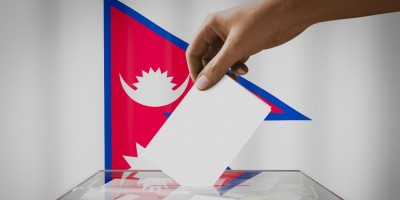
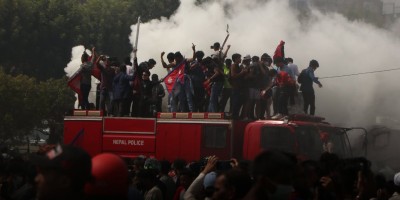
Nepal’s political landscape has seen frequent instability over the past decade. In September 2025, mass youth-led protests demanded government accountability and reform, ultimately leading to the dissolution of the House of Representatives. In response, the Election Commission scheduled early general elections for March 5, 2026, marking a crucial moment for democratic renewal.
Nepal follows a mixed electoral system, combining first-past-the-post (FPTP) and proportional representation (PR):
- 165 seats are contested via FPTP across constituencies.
- 110 seats are distributed according to PR based on nationwide party vote shares.
This dual system ensures both local representation and party proportionality, giving smaller and newer parties an opportunity to gain parliamentary seats.
Political Parties, Key Leaders and Their Platforms
Rastriya Swatantra Party (RSP)
Founded in 2022, the RSP campaigned as a youth-driven, reform-oriented party, emphasizing anti-corruption measures, modernization of governance, and job creation for young Nepalis. Its messaging resonated with voters frustrated by long-standing political stagnation.
Key Leader:
- Balendra “Balen” Shah – Former rapper, engineer and Mayor of Kathmandu, Shah became the face of a new generation of leaders. His reputation for grassroots engagement and decisive leadership propelled RSP to national prominence.
RSP’s campaign promised initiatives such as:
- Simplifying bureaucracy and government services.
- Expanding digital governance and transparency measures.
- Increasing employment opportunities through infrastructure projects and incentives for startups.
Nepali Congress (NC)
As Nepal’s oldest democratic party, NC has historically shaped the nation’s political and economic policies. The 2026 election, however, reflected voter fatigue with established leaders.
Key Leader:
- Gagan Thapa – Known for his reformist stance within the party, Thapa contested to maintain youth support but early results show limited success for NC in urban centers.
Communist Party of Nepal — Unified Marxist–Leninist (CPN-UML)
Once a dominant party under leaders like K.P. Sharma Oli, CPN-UML faced significant setbacks in 2026. The party’s leadership, perceived as disconnected from younger voters, struggled to retain major constituencies.
Other Parties
- Nepali Communist Party (NCP) – minor influence, retained some PR seats.
- Rastriya Prajatantra Party (RPP) – focused on constitutional monarchy nostalgia, limited appeal in urban areas.
- Shram Sanskriti Party – small labor-focused party with regional influence.
These smaller parties collectively secured minor representation, highlighting a fragmentation of traditional political power.
Election Results and Emerging Trends
Preliminary vote counts suggest a landslide for RSP, signaling a transformative moment for Nepali politics.
| Party | Direct Seats | Status |
|---|---|---|
| RSP | 125 | Leading / dominant |
| Nepali Congress | 18 | Runner-up |
| CPN-UML | 8 | Third place |
| Other parties | Several | Minor representation |
Balendra Shah’s RSP is on track to secure a majority or near two-thirds in parliament, a scale of victory not seen in decades. Analysts predict that Shah could become Nepal’s youngest Prime Minister, ushering in a youth-driven government.
Major Issues Influencing Voters
Youth Employment and Economic Development
Youth unemployment remains high in Nepal, with many graduates unable to find formal jobs. This issue fueled the 2025 protests and became central to the 2026 election. Voters prioritized economic growth, startup promotion and infrastructure-driven employment programs.
Corruption and Governance Reform
Decades of political corruption have eroded public trust. RSP’s campaign promised transparent governance, anti-bribery policies, and institutional reform to restore confidence in the political system.
Political Stability
Frequent government collapses have frustrated citizens seeking long-term policy implementation. Voters expressed desire for a stable, reform-oriented government capable of delivering tangible improvements in everyday life.
Regional Development and Infrastructure
Candidates emphasized local infrastructure projects, including road expansion, urban development and rural electrification, as essential for bridging the urban-rural economic gap.
Expert Analysis and Election Predictions
Political analysts highlight several key takeaways from the 2026 election:
- A generational shift away from traditional party elites toward youth-focused leadership.
- The potential for comprehensive governance reform, provided the RSP fulfills campaign promises.
- Challenges remain in managing high public expectations, particularly around employment and infrastructure delivery.
- Traditional parties may need to rebuild credibility and appeal to younger voters for future survival.
Election Timeline
- Election announced: September 12, 2025
- Last voter registration: November 21, 2025
- Candidate nominations finalized: February 3, 2026
- Election Day: March 5, 2026
- Vote counting: March 6–9, 2026
The early election reflects Nepal’s urgent need for stable governance and democratic renewal after political unrest.
FAQ — Nepal Election 2026
1️⃣ When was the election held?
March 5, 2026. It followed the dissolution of parliament due to widespread public protests.
2️⃣ Who are the major leaders in the election?
Balendra “Balen” Shah (RSP), Gagan Thapa (NC) and K.P. Sharma Oli (CPN-UML).
3️⃣ Which party is leading the results?
The Rastriya Swatantra Party (RSP) is currently dominating the election results.
4️⃣ What issues drove voter decisions?
Youth employment, anti-corruption measures, governance reforms and economic development.
5️⃣ What happens after the vote count?
Proportional representation seats will be allocated and the new government will be formed under parliamentary rules.
The Nepal Election 2026 represents a historic turning point with youth-led leadership and the RSP’s sweeping victory signaling a new era in Nepalese politics. With reform, stability and development high on public demand, the coming government faces high expectations to deliver meaningful change.

From Waiting to Winning: The First Four Weeks of Khelro

-1745569762.jpg)
-1745569762.jpg)
-1745569769.jpg)
-1745569771.jpg)