
March 2026 Nepal Elections: Key Political Developments and Royalist Movements

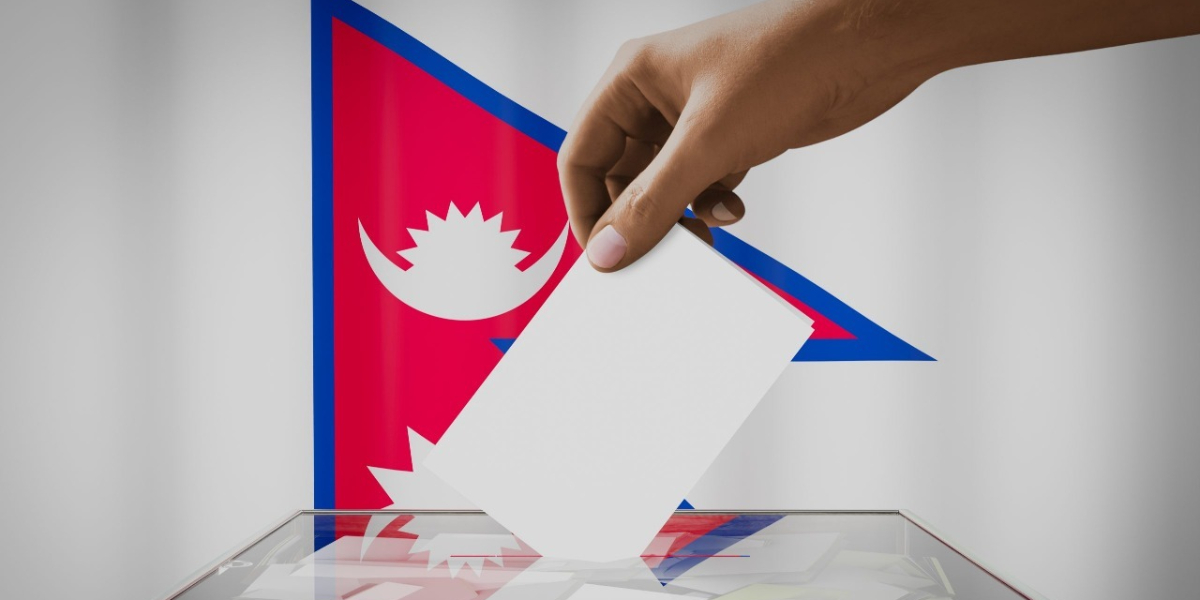
Nepal’s March 5, 2026, general election is shaping up to be one of the most consequential in years. What once looked like a routine parliamentary vote has become a forum where rising political personalities, youthful energy, long‑standing parties and even royalist sentiment are all competing for influence and direction.
The Big Picture
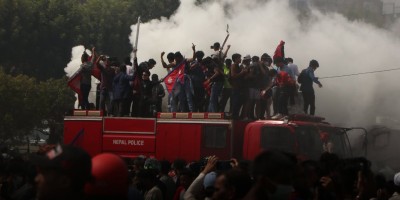
This election comes on the heels of widespread Gen Z‑led protests in late 2025 that forced the resignation of the government and led to the formation of an interim cabinet. Those events reset Nepal’s political timeline and intensified public scrutiny on corruption, governance and youth representation.
Traditional powerhouses like the Nepali Congress and CPN‑UML are still major contenders. But they now share center stage with new political forces mobilized around reform, fresh leadership and an appetite for change.
The Balen‑Rabi Alliance: A New Force
A headline story of the 2026 election is the political partnership between Kathmandu’s mayor Balendra “Balen” Shah and Rastriya Swatantra Party chairman Rabi Lamichhane. These two figures have become some of the most talked‑about names in Nepali politics.
Balen, a former rapper turned independent mayor of Kathmandu, shot to prominence with his urban reform agenda and appeal among younger voters. His political rise has challenged old party structures and made him a symbol of change for many.
Rabi Lamichhane, a former TV host and media personality, leads the Rastriya Swatantra Party (RSP) and has cultivated a wide base of support with rhetoric focused on anti‑corruption and political accountability.
In late December 2025, they signed a seven‑point agreement to contest the election together. Under this pact, Balen will be the prime ministerial candidate for the alliance while Rabi remains party chair and key strategist.
This partnership isn’t just symbolic. It brings together Balen’s grassroots appeal and Rabi’s organizational reach through the RSP. It also expands to include other figures like Kulman Ghising under a broader alliance consolidating voices that are challenging the old parties.
Many analysts see this “Balen‑Rabi” alliance as part of a generational shift in Nepalese politics that aims to harness both youthful energy and political experience to offer a credible alternative to traditional party dominance.
What This Alliance Means
For voters, the Balen‑Rabi partnership introduces new dynamics:
- Balen’s appeal resonates especially with urban youth and reform‑minded citizens unhappy with the status quo
- Rabi brings an existing political structure and a broader national reach, which helps translate local popularity into a larger electoral strategy
- The alliance also signals a realignment of political forces outside traditional party lines, opening space for new agendas in policymaking and governance
Some critics worry that alliances built on personalities rather than ideology might struggle to deliver long‑term stability or clear policy direction. Still, supporters argue that this kind of partnership reflects the mood of voters looking for a break from entrenched political elites.
Royalist Movements and Other Forces
Alongside the rise of new political coalitions, royalist rallies have drawn attention. Supporters of Nepal’s former monarchy staged peaceful demonstrations in Kathmandu calling for restoration of the monarchy amid dissatisfaction with the political status quo.
These events add another layer to the election narrative. While the monarchy was abolished in 2008, nostalgia for it persists among some and these rallies reflect deeper questions about identity, governance and national direction.
Looking Ahead
As Nepal counts down to election day, voters are weighing multiple narratives:
- New political alliances like the Balen‑Rabi partnership versus traditional party structures
- Youth expectations for accountability and reform
- Royalist sentiment and historical narratives
- Economic and social priorities like jobs, corruption control and development
One thing is clear: this election is not just about who wins seats in parliament. It’s about how Nepal defines its political future and whose voices shape that journey.

From Waiting to Winning: The First Four Weeks of Khelro

-1745569762.jpg)
-1745569762.jpg)
-1745569769.jpg)
-1745569771.jpg)