
Search Everywhere Optimization: Why SEO Is No Longer Just About Google
How Modern Brands Are Optimizing Content Across Multiple Platforms to Stay Visible

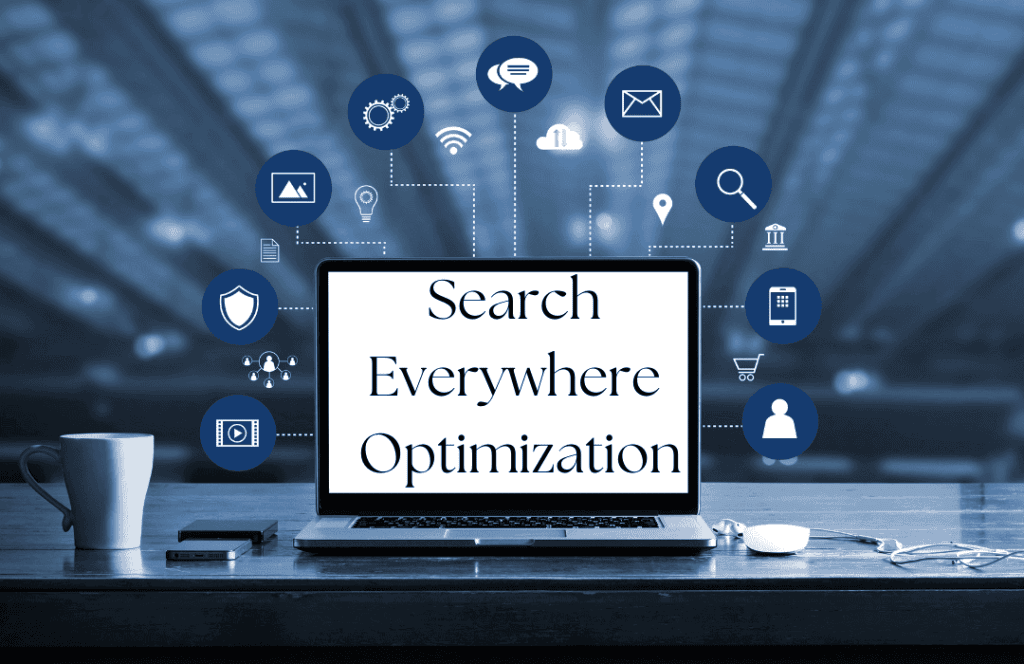
For years, search engine optimization was almost entirely focused on one platform, Google. Businesses invested time and resources into optimizing websites, targeting keywords and building backlinks in order to rank higher on search engine results pages.
However, the digital landscape has changed dramatically. Today, people search for information, products and services across a wide range of platforms. Many users now turn directly to video platforms, social media apps or online marketplaces instead of traditional search engines.
This shift has given rise to a new concept in digital marketing known as Search Everywhere Optimization a strategy that focuses on making content discoverable across multiple platforms, not just Google.
The Evolution of Search Behavior
The way people search online has evolved significantly over the past decade. While search engines remain important, users increasingly rely on different platforms depending on the type of information they need.
For example, younger audiences often search for tutorials, product reviews or travel ideas directly on YouTube or TikTok. Similarly, many consumers look for product recommendations and brand insights on social platforms like Instagram.
In the world of online shopping, a large number of users skip traditional search engines entirely and begin their search directly on platforms like Amazon.
This multi-platform search behavior means businesses can no longer rely on traditional SEO alone.
What Is Search Everywhere Optimization?
Search Everywhere Optimization is a modern digital marketing strategy that focuses on improving a brand’s visibility across multiple search and discovery platforms.
Instead of optimizing content solely for search engines, businesses now aim to ensure their content appears wherever people search online. This includes search engines, video platforms, social media networks, marketplaces and even AI-powered tools.
The goal is simple: be visible wherever your audience is searching.
Platforms Where People Search Today
Today’s internet users explore information across a wide variety of digital platforms. Each platform serves as its own search ecosystem with unique algorithms and content formats.
Video Platforms
Video platforms have become one of the most powerful search channels. Millions of users visit YouTube daily to find tutorials, product reviews, educational content and entertainment.
Short-form video content on TikTok has also transformed how people discover trends, brands and recommendations.
Social Media Platforms
Social media platforms act as discovery engines where users explore trends, follow influencers and research brands. Platforms like Instagram allow users to search hashtags, locations and content related to their interests.
E-commerce Platforms
Online marketplaces have also become powerful search environments. Many shoppers begin their product searches directly on Amazon instead of traditional search engines.
This means brands must optimize product listings, descriptions and reviews within these platforms.
Why Traditional SEO Alone Is No Longer Enough
Traditional SEO strategies primarily focus on website optimization, backlinks and keyword rankings on search engines. While these practices remain important, they are no longer sufficient in a multi-platform digital ecosystem.
Consumers now interact with brands through various digital touchpoints, including social media, video content, mobile apps and marketplaces.
If businesses only optimize their websites for search engines, they risk missing a large portion of potential audiences who discover content elsewhere.
Search Everywhere Optimization helps businesses expand their reach and adapt to the evolving ways people search online.
How Businesses Can Optimize for Multiple Platforms
To implement Search Everywhere Optimization successfully, businesses must adopt a broader content strategy that goes beyond traditional SEO.
1. Create Platform-Specific Content
Different platforms require different types of content. Long-form blog articles may work well for websites, while short videos perform better on platforms like TikTok or Instagram.
Businesses should tailor their content format to match the platform’s audience and algorithm.
2. Use Search-Friendly Keywords Across Platforms
Just like search engines, social platforms and marketplaces use search algorithms. Businesses should research keywords that users commonly search for on each platform.
Optimizing captions, descriptions, hashtags and titles can significantly improve visibility.
3. Focus on Visual and Video Content
Visual content has become one of the most powerful tools in digital marketing. Video tutorials, product demonstrations and engaging visual posts help capture attention and improve discoverability.
4. Maintain Brand Consistency
Even though content may appear across multiple platforms, maintaining a consistent brand voice and identity is essential. Consistency helps audiences recognize and trust the brand regardless of where they encounter it.
The Role of AI in Modern Search
Artificial intelligence is also shaping how people search for information online. AI-powered recommendation systems and conversational search tools are influencing how users discover content.
These technologies analyze user behavior, preferences and engagement patterns to deliver personalized results.
As AI-driven discovery continues to grow, businesses will need to create high-quality, relevant content that performs well across different digital environments.
The Future of Digital Discovery
Search Everywhere Optimization represents the next stage in the evolution of digital marketing. As online platforms continue to expand, the ways people search and discover content will become even more diverse.
Businesses that adapt early to this multi-platform search landscape will gain a significant competitive advantage.
Rather than focusing on a single search engine, modern brands must think more broadly about where their audiences spend time and how they search for information.
In the future, successful digital marketing strategies will not be defined by rankings on a single platform, but by a brand’s ability to remain visible everywhere people search.
How Voice Search Is Reshaping Digital Marketing in Nepal

Digital Marketing Plan for Nepali Businesses: A Practical Guide

-1752148258.jpg)
How a Local Nepali Startup Increased Sales Using Social Media

Top Digital Marketing Trends in 2025 Every Business Should Know


-1745569762.jpg)
-1745569762.jpg)
-1745569769.jpg)
-1745569771.jpg)