
Paubha Painting Art in Nepal: Revival of Timeless Masterpieces

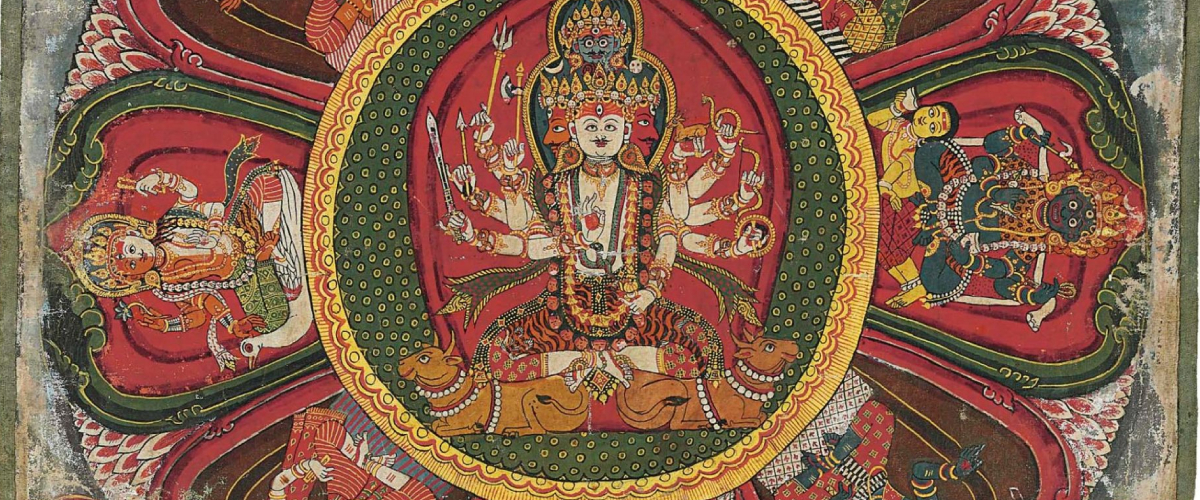
Nepal is a land of rich cultural heritage and among its many artistic treasures, Paubha painting stands out as a timeless symbol of spiritual and artistic devotion. With its intricate designs, vibrant colors and profound religious symbolism, Paubha painting has long captured the imagination of devotees, collectors and art lovers alike. Today, as modern artists breathe new life into this ancient form, the revival of Paubha painting is a testament to Nepal’s enduring commitment to preserving its cultural identity.
What is Paubha Painting
Paubha painting, often considered the Nepalese counterpart of Tibetan Thangka, is a traditional form of religious art rooted in Hindu and Buddhist practices. These paintings are not just decorative; they are devotional tools meant to inspire meditation, storytelling and spiritual reflection. Typically painted on cotton or silk, Paubhas depict deities, mandalas and sacred symbols with meticulous precision, reflecting the devotion and skill of the artist.
In Nepalese art, Paubha painting occupies a unique niche. It is both a spiritual medium and a historical record, capturing centuries of religious and cultural evolution. Every brushstroke carries meaning, from the placement of a deity’s hand to the choice of colors, making each Paubha a window into Nepal’s rich artistic traditions.
Historical Significance: Origins and Traditional Role in Nepalese Culture
The origins of Paubha painting trace back to the 11th century, flourishing primarily in the Kathmandu Valley. These artworks were closely linked to the Newar community, whose artists became masters of this sacred craft. Paubhas served as vital instruments in temples, monasteries and private shrines, guiding devotees through prayers and rituals.
Key aspects of Paubha painting history include:
- Religious function: Many Paubhas were created to honor specific deities, often used during festivals or as offerings in religious ceremonies.
- Cultural preservation: They recorded myths, legends and historical events, serving as visual textbooks of Nepalese spirituality.
- Artistic mentorship: Techniques were traditionally passed down within families, preserving skills across generations.
By capturing both divine narratives and human devotion, Paubha paintings became more than art; they became a cornerstone of Nepalese cultural identity.
Artistic Features: Techniques, Materials and Symbolism
What makes Paubha painting mesmerizing is its meticulous technique and deep symbolism. Artists typically use natural pigments derived from minerals, vegetables, and precious stones, giving the artworks a richness and vibrancy that stands the test of time. Gold leaf is often applied to highlight divine features, while precise geometric patterns frame the compositions.
Distinctive artistic features of Paubha paintings include:
- Intricate detailing: Every figure, facial expression and ornament is rendered with careful precision.
- Vibrant colors: Red, blue, green and gold dominate, each carrying spiritual significance.
- Symbolism and proportion: The size and position of deities follow strict iconographic rules to convey their spiritual hierarchy.
- Mandala integration: Many Paubhas incorporate mandalas, symbolizing the universe and the journey toward enlightenment.
Through these techniques, each Paubha painting becomes a narrative frozen in time, a blend of artistry, devotion and cultural storytelling.
Revival Movement: How Modern Artists Are Keeping the Tradition Alive
In recent decades, the art of Paubha painting faced challenges as modernity and globalization shifted cultural priorities. However, a passionate revival movement has emerged, led by artists committed to preserving this heritage while introducing contemporary interpretations.
Institutions in Kathmandu and Patan offer formal training in traditional Paubha techniques, ensuring younger generations learn the skills required to maintain authenticity. At the same time, some artists experiment with innovative themes, blending traditional motifs with modern aesthetics to appeal to a global audience.
Notable contemporary artists, such as Anil Shrestha and Manisha Maharjan, have played a key role in this resurgence, showcasing Paubha artworks in international exhibitions and fostering appreciation for Nepalese art worldwide. Through workshops, exhibitions and online platforms, the Paubha revival ensures that this sacred art form continues to thrive both at home and abroad.
Collecting & Appreciating Paubha: Tips for Art Lovers and Cultural Enthusiasts
For those interested in exploring or collecting Paubha paintings, understanding the history and symbolism enhances appreciation. Here are some practical tips:
- Learn the iconography: Recognizing deities and symbolic elements can enrich the viewing experience.
- Focus on authenticity: Traditional Paubhas use natural pigments and specific materials, which distinguish them from mass-produced replicas.
- Support local artists: Purchasing directly from Nepali artists or reputable galleries helps sustain the art form.
- Respect the sacred context: Many Paubhas are created for religious purposes, so understanding cultural norms is important.
By approaching Paubha paintings with knowledge and respect, collectors and enthusiasts can connect deeply with Nepalese art while supporting the continued preservation of this cultural treasure.
The Enduring Legacy of Paubha Painting
The revival of Paubha painting is more than an artistic trend; it is a celebration of Nepal’s spiritual and cultural soul. These timeless masterpieces bridge the past and present, reminding us that art is not only about aesthetics but also about devotion, heritage and identity. As Nepalese artists continue to honor tradition while embracing innovation, Paubha painting remains a vivid testament to the country’s enduring artistic legacy.
For anyone seeking to understand Nepal’s heart and history, Paubha painting offers a window into a world where art and spirituality are inseparable, timeless and profoundly inspiring.
This article is published by Kantipur Blog, your source for insights into Nepalese art and culture.
Nepali Art and Global Influences: How Culture Shapes Modern Creativity
Mithila Magic: The Empowering Art of Nepali Women
-1745572320.jpg)
Preserving Culture: The Importance of Protecting Traditions
-1745569776.jpg)
Global Inspirations: The Cross-Cultural Exchange of Art
-1745569774.jpg)
-1745569773.jpg)

-1745569762.jpg)
-1745569762.jpg)
-1745569769.jpg)
-1745569771.jpg)