
Nepali Patterns in Modern Home Design: Top Interior Trends for 2026

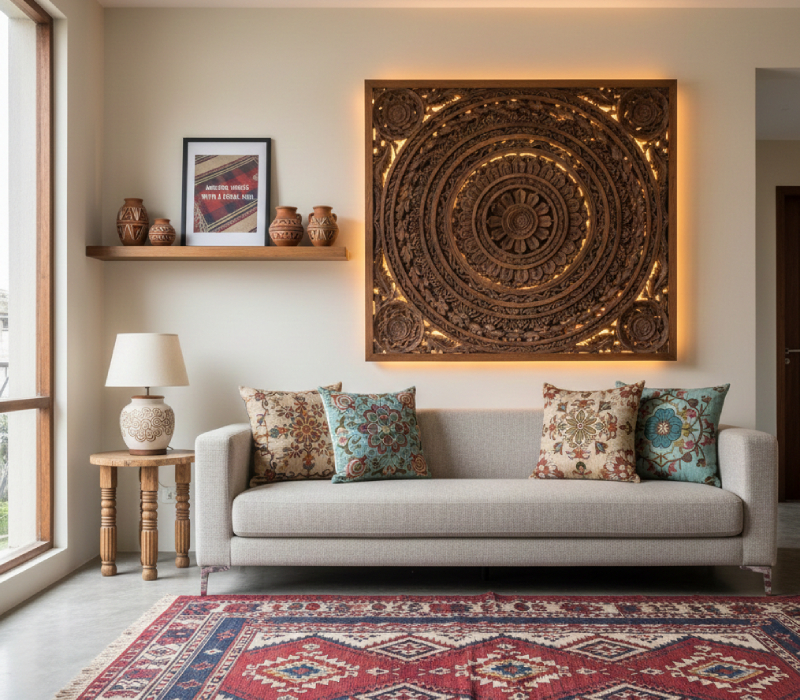
Have you ever entered a home that feels warm, meaningful and full of character the moment you step inside? Often, that feeling comes from design choices that tell a story. In Nepal, those stories live in patterns. From temple walls to traditional fabrics, Nepali designs carry history, culture, and emotion. In 2026, these patterns are shaping modern home design in exciting and creative ways.
Today, many homeowners want their spaces to feel personal, not copied from a showroom. This is where Nepali patterns shine. They blend beautifully with modern interiors while keeping a strong connection to tradition. The result is a home that feels stylish, welcoming and deeply rooted in culture.
Why Nepali Patterns Matter in Home Design
Nepali patterns are more than decoration. They represent beliefs, nature, festivals and everyday life from generations ago. You can see them in wood carvings, metal work, paintings and textiles. When these elements are used in modern homes, they bring depth and meaning that plain designs often lack.
In recent years, people have started to value handmade work and local craftsmanship more than mass-produced décor. Nepali patterns fit perfectly into this mindset. They celebrate skill, patience and creativity. Using them in your home is also a way of supporting cultural preservation.
Tradition and Modern Style Can Work Together
Some people think traditional patterns only suit old houses. That’s no longer true. Modern design is all about balance. Clean lines, open spaces and simple furniture create the perfect background for traditional Nepali motifs.
A carved wooden panel looks stunning against a plain white wall. A Dhaka-pattern cushion adds life to a neutral sofa. Even a small decorative item with a traditional design can change the mood of a room. You don’t need to decorate everything. A little goes a long way.
Popular Nepali Patterns in 2026 Homes
In 2026, designers are focusing on patterns that feel timeless and adaptable. Mandalas remain popular because of their symmetry and calming effect. Temple-inspired carvings are being used in furniture, headboards and wall panels. Floral folk patterns are also making a comeback, especially in soft furnishings.
Thangka-inspired designs are now adapted in subtle ways. Instead of large religious artwork, people use simplified forms, colors or shapes inspired by these paintings. This keeps the design respectful while fitting into modern spaces.
Simple Ways to Use Nepali Patterns at Home
You don’t need a big budget or a full renovation to include traditional designs. Small, thoughtful changes can have a strong impact. Here are some easy ideas:
- Textiles and soft furnishings like cushions, rugs, curtains or bed runners using Dhaka or woven patterns
- Wall décor such as framed motifs, carved panels or painted accents
- Furniture details including carved legs, patterned headboards or wooden screens
- Home accessories like lamps, trays, mirrors or storage boxes with traditional designs
These elements can be mixed with modern furniture to create a balanced look that feels fresh and authentic.
Cultural Design Beyond Interiors
The love for Nepali patterns is not limited to home decor. The same ideas are being used in other creative fields, including product design and visual identity. The same design philosophy is discussed in detail in an article on integrating traditional Nepali patterns and motifs into modern branding. This shows how heritage designs can stay relevant when adapted thoughtfully for today’s world.
This cross-use of traditional patterns strengthens their value. It proves that culture is not something frozen in the past. It grows and changes with time.
Creating Balance in Your Space
One of the most important things to remember is balance. Too many patterns can make a room feel crowded. Too few can make it feel plain. Start with one main area, like the living room or bedroom. Choose one or two patterned elements and build around them.
Neutral colors such as white, beige or light grey help traditional patterns stand out. Natural materials like wood, stone and cotton work especially well with Nepali designs. Together, they create a calm and comfortable environment.
Modern Homes with a Local Soul
In cities, apartments are becoming smaller and more modern. This makes personal touches even more important. Nepali patterns bring warmth and identity into compact spaces. A single patterned wall hanging or a small carved shelf can instantly make an apartment feel like home.
In larger houses, these designs can be used more freely. Stair railings, room dividers and entrance areas are great places to showcase traditional motifs. These spaces create a strong first impression for guests.
DIY and Personal Touches
Many people enjoy adding a personal touch to their homes. Nepali patterns are perfect for simple DIY projects. Painting a small mandala, sewing cushion covers or decorating plant pots with geometric designs can be both fun and meaningful.
These projects also help younger generations connect with traditional art. When children see patterns used in everyday life, they learn to appreciate their culture naturally.
Why This Trend Is Growing in 2026
The world is moving toward more thoughtful living. People want homes that reflect who they are, not just what’s trending online. Nepali patterns offer exactly that. They are personal, cultural and adaptable.
In 2026, sustainability is also a big focus. Traditional craftsmanship often uses natural materials and long-lasting techniques. This makes Nepali design not only beautiful but also responsible.
A Home That Tells a Story
Nepali patterns in modern home design are more than a trend. They are a bridge between the past and the present. By blending traditional motifs with modern interiors, you create a space that feels warm, meaningful, and unique.
You don’t need to redesign everything. Start small. Choose patterns that speak to you. Let them tell a story in your home. In doing so, you keep tradition alive while enjoying the comfort of modern living.
As 2026 continues, homes that reflect culture and creativity will stand out the most. Nepali patterns offer a timeless way to make that happen.
How to Choose the Perfect Color Palette for Every Room
Small Space, Big Impact: Design Tips for Compact Homes

-1745569762.jpg)
-1745569762.jpg)
-1745569769.jpg)
-1745569771.jpg)