
Best Months to Photograph the Himalayas in Nepal: Capture the Golden Hour

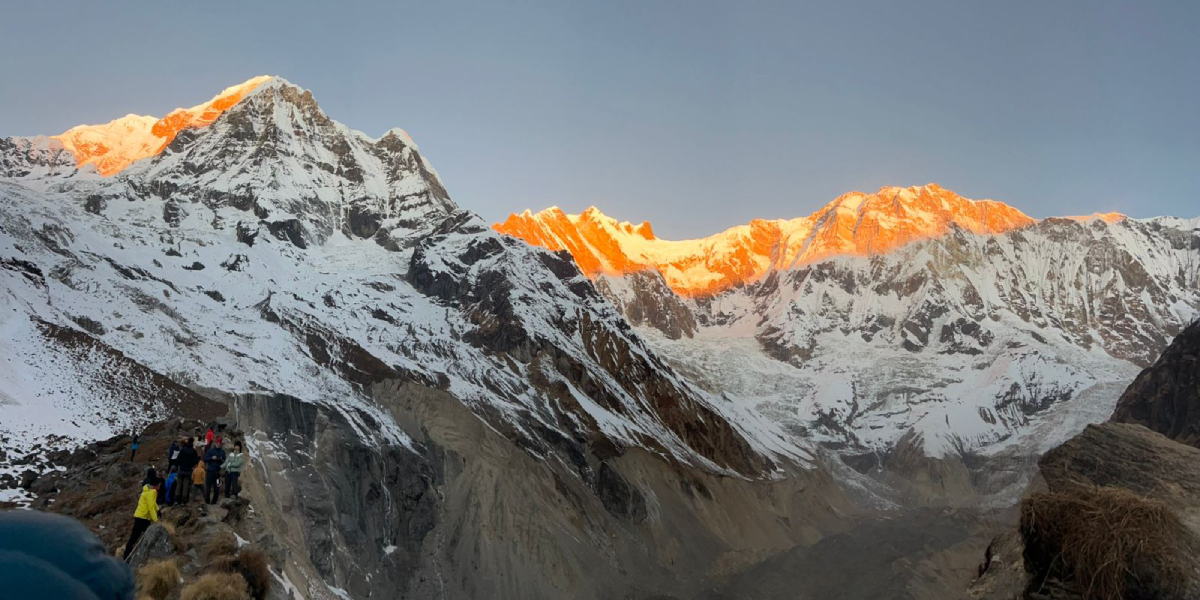
The Himalayas are more than just mountains, they are nature’s grand masterpiece, stretching across the sky with snow-capped peaks, deep valleys and rivers that sparkle like silver threads. For photographers, both amateur and professional, the Himalayas offer endless opportunities to capture stunning landscapes. But did you know that when you visit can make a huge difference in how your photos turn out? Timing your trip can help you catch the mountains in the perfect light, especially during the magical golden hour, the time just after sunrise or before sunset when the light is soft, warm and perfect for photography.
Nepal, being home to some of the world’s tallest mountains including Mount Everest, Annapurna and Manaslu, offers breathtaking views all year round. However, certain months are better than others for photography because of clearer skies, vibrant landscapes and ideal weather. Let’s explore the best months to photograph the Himalayas in Nepal and how to make the most of your trip.
Why Timing Matters for Himalayan Photography
You might think that mountains are always beautiful and they are, but photography is all about light and clarity. Clouds, haze and heavy rain can hide those stunning peaks. On the other hand, clear skies and soft sunlight can make the snow glisten and the valleys glow. Timing your visit ensures that you get the best weather, the best lighting and the most memorable shots.
The golden hour is particularly important. During this time, the sun is low in the sky and its light creates long shadows, rich colors and dramatic contrasts that make your photos look magical. This can be especially striking in the Himalayas, where the rugged peaks and valleys come alive with golden tones.
Best Months for Himalayan Photography in Nepal
While the Himalayas are stunning throughout the year, some months are better than others for photography because of clearer skies, stable weather and vibrant scenery. Here’s a list of the best months to consider:
- October to November
After the monsoon ends in September, the skies in Nepal clear up beautifully. October and November are considered the peak season for trekking and photography because the weather is stable, the air is crisp and visibility is excellent. Snow-capped peaks are sharp against the bright blue sky, and sunrise or sunset shots are absolutely stunning. During these months, the golden hour brings a warm glow to the mountains, making them perfect for capturing memorable photographs. - March to April
Spring in Nepal is another excellent time for photography. The mountains are still visible, and the valleys start blooming with colorful rhododendrons, mustard fields and green hills. The skies are mostly clear and the weather is mild, which is ideal for long photo walks or treks. Morning light during these months can create a dreamy effect on the snowy peaks, while evenings are perfect for golden hour photography. - December to February
Winter months are colder, especially in higher altitudes, but the skies are often the clearest. If you don’t mind chilly mornings, this period is excellent for capturing sharp, dramatic images. Snow enhances the beauty of the mountains and the air is crisp, providing breathtaking visibility. Golden hour in winter can give a warm contrast to the icy landscape, creating striking photographs.
Tips for Photographing the Himalayas
Photography in the Himalayas is not just about showing up with a camera. Planning and preparation can make your shots more impressive. Here are some tips to help you capture the mountains at their best:
- Wake up early: Sunrise is magical in the mountains. The first light hits the peaks before the valleys, creating a glowing effect. Set your alarm and be ready with your camera.
- Scout your locations: Popular trekking routes like Annapurna Base Camp, Everest Base Camp and Langtang Valley have multiple viewpoints. Visit these spots during different times of the day to see which light works best.
- Use a tripod: Golden hour lighting can be softer and dimmer, so a tripod helps stabilize your shots. This is especially useful for long-exposure photography.
- Experiment with angles: Don’t just shoot from the front. Capture the mountains from different angles, behind ridges or alongside rivers for more dynamic compositions.
- Bring the right lens: A wide-angle lens is great for capturing the grandeur of the peaks, while a telephoto lens helps focus on distant mountains and intricate details.
Golden Hour: The Secret Ingredient
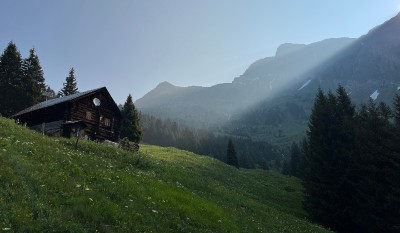
The golden hour is what separates a good mountain photograph from a breathtaking one. It happens twice a day, shortly after sunrise and just before sunset. The light is soft, warm, and diffused, reducing harsh shadows and creating a natural glow. In the Himalayas, this golden light can turn ordinary snow-covered peaks into magical landscapes.
- Morning golden hour: The early morning light casts a soft glow on the peaks. If you’re trekking, it’s the perfect time to photograph sunrise hitting the mountains while valleys are still shrouded in mist.
- Evening golden hour: Sunset creates rich colors and shadows across the mountains and valleys. The warm light can highlight ridges, cliffs and snow fields, making your photographs look like paintings.
Choosing Your Trekking Route
The Himalayas are vast, and different regions offer unique photographic opportunities. Here are a few popular options:
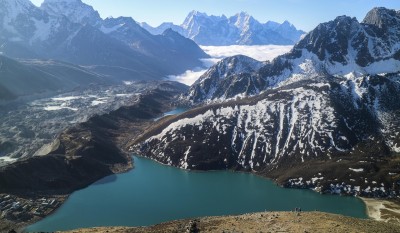
- Everest Region: Ideal for those seeking dramatic, towering peaks. Ama Dablam and Mount Everest look stunning during sunrise and sunset.
- Annapurna Region: Known for diverse landscapes, from terraced fields to snow-capped peaks. Poon Hill is a famous spot for sunrise photography.
- Langtang Valley: Less crowded and full of lush forests, rivers, and Himalayan views, perfect for nature and mountain photography.
- Manaslu Region: Offers a mix of rugged mountains and traditional villages, great for combining cultural and landscape photography.
Practical Considerations
- Weather: Himalayan weather can change quickly. Check forecasts and be prepared for sudden clouds, snow or rain.
- Altitude: High-altitude locations like Everest Base Camp can affect your stamina. Take time to acclimatize before long photography sessions.
- Gear Protection: Cold temperatures, dust and moisture can affect your camera. Use protective gear like waterproof bags and lens covers.
- Travel Light: Carry only essential photography equipment. Heavy backpacks make trekking harder.
Beyond the Mountains
While the peaks are the main attraction, don’t forget to capture the life around them. Villages, rivers, forests and local people add context and stories to your photographs. Sometimes, a small village with the Himalayas in the background can be more captivating than a wide mountain shot.
Golden Moments in Nepal
Photographing the Himalayas in Nepal is an experience that stays with you forever. Timing your visit during the best months, focusing on golden hour lighting and planning your route carefully can make all the difference in your photos. Remember, photography is about patience and observation. Sometimes the best shot comes from waiting for the clouds to move or for the sun to hit the peak just right.
Whether you are an amateur photographer, a professional or someone who simply loves capturing nature, the Himalayas offer endless inspiration. Visit in the right season, use the golden hour wisely and you will return home with images that tell the story of the highest mountains on Earth in all their glory.

-1745569762.jpg)
-1745569762.jpg)
-1745569769.jpg)
-1745569771.jpg)