
AI, Robots & Smart Rooms: The Future of Hospitality

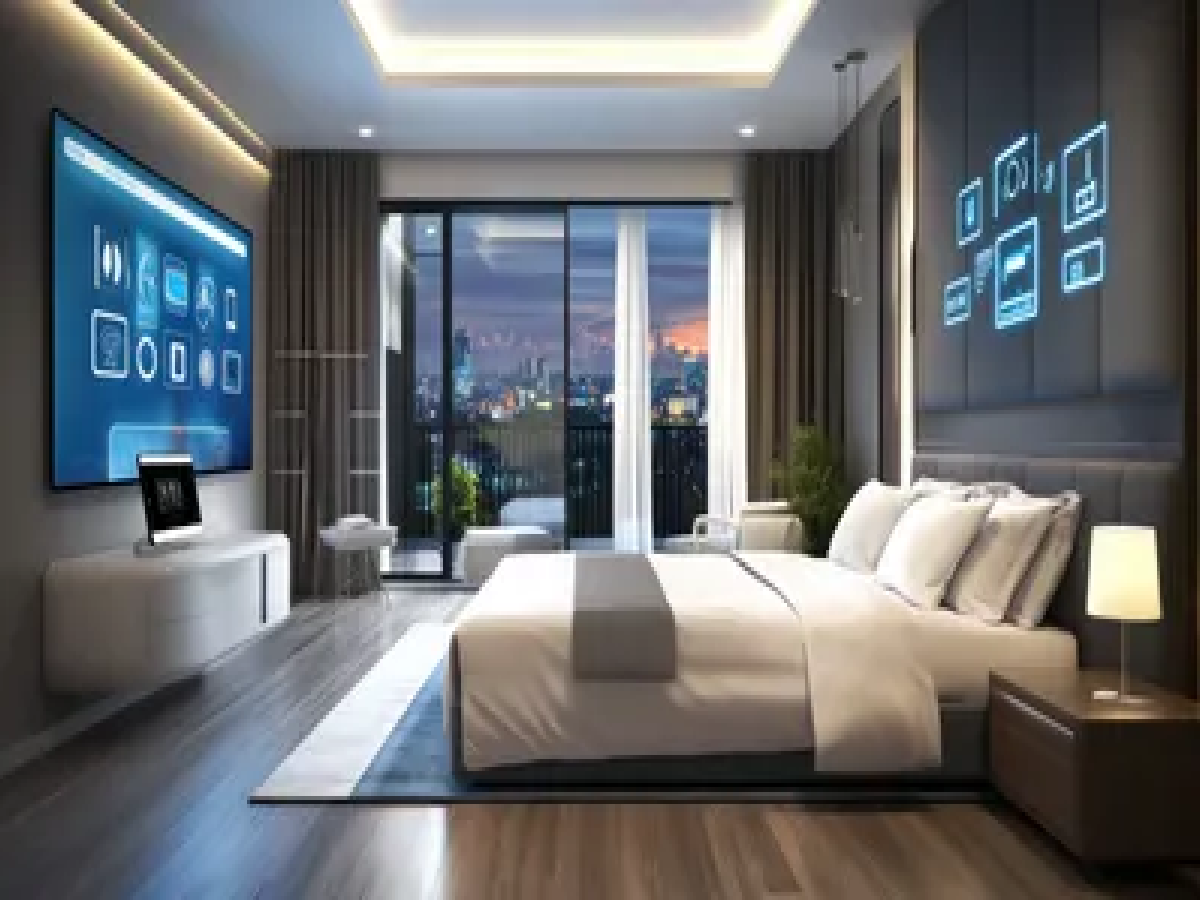
The hospitality industry is changing faster than ever before. Hotels are no longer just places to sleep and eat; they are becoming smart spaces filled with advanced technology that improves comfort, safety and service. Three major technologies are leading this transformation: Artificial Intelligence (AI), robots and smart rooms. Together, they are shaping the future of hospitality by making hotel services faster, more personal and more enjoyable for guests.
Today, travelers expect quick service, comfort and personalized experiences. With the help of AI, robots and smart systems, hotels can understand guest needs better, respond faster and provide higher-quality service. From automated check-ins and voice-controlled rooms to robotic room service and smart energy management, technology is turning hotels into intelligent spaces. This change is not only improving guest satisfaction but also helping hotels reduce costs, improve efficiency and operate more sustainably.
Artificial Intelligence, or AI, is a technology that allows machines and computer systems to think, learn and make decisions like humans. In hotels, AI is used to improve guest service, manage operations and predict customer needs. AI systems can analyze large amounts of data to understand guest behavior, preferences and booking patterns.
One of the most common uses of AI in hotels is virtual assistants and chatbots. These smart programs can answer guest questions, handle booking requests, provide travel information and solve problems instantly, 24 hours a day. Guests no longer have to wait in long lines or make phone calls; they can simply chat with an AI assistant through their mobile phones or hotel apps.
AI is also used for personalized recommendations. By studying past stays, preferences and online behavior, AI can suggest room types, food choices, local attractions and special offers that match each guest’s interests. This creates a more comfortable and customized experience, making guests feel valued and understood.
Robots are becoming more common in modern hotels. These machines are designed to perform specific tasks such as delivering food, carrying luggage, cleaning rooms and even greeting guests. Robots help hotels improve efficiency while reducing physical workload for human staff.
One popular example is robot room service. Instead of waiting for hotel staff, guests can receive food, drinks, towels, or toiletries delivered by robots directly to their rooms. These robots can navigate hallways, use elevators and avoid obstacles, making service faster and more reliable.
Robots are also used for cleaning and maintenance. Robotic vacuum cleaners and floor-cleaning machines can work continuously, keeping hotel spaces clean and hygienic. This improves cleanliness standards and reduces labor costs. Some hotels even use robotic concierges that provide directions, answer questions and give tourist information.
Smart rooms are one of the most exciting innovations in the hotel industry. These rooms use Internet of Things (IoT) devices and smart technology to give guests full control over their environment. With smart systems, guests can adjust lighting, temperature, curtains, music and television using voice commands, mobile apps, or touch panels.
Imagine entering a hotel room where the lights automatically turn on, the curtains open and the temperature adjusts to your preferred comfort level. Guests can even set their favorite music or lighting mood with a simple command. This creates a relaxing and personalized atmosphere that feels modern and luxurious.
Smart rooms also improve safety and energy efficiency. Motion sensors turn off lights and air conditioning when rooms are empty, saving energy and reducing electricity bills. Smart locks and facial recognition systems enhance security by ensuring only authorized guests can access rooms. Fire alarms, smoke detectors and emergency systems are also connected, improving safety and quick response.
Guest experience is the heart of hospitality and AI is helping hotels create better and more meaningful interactions. By analyzing guest data, AI systems can predict needs before guests even ask. For example, if a guest often orders room service late at night, the system can suggest late-night food options during future stays.
AI also improves communication. Multilingual chatbots allow hotels to communicate easily with international travelers, breaking language barriers. Guests can get information about hotel services, nearby attractions and travel tips in their own language, making them feel more comfortable.
Another important role of AI is feedback analysis. AI tools can study online reviews, social media comments and guest surveys to understand what customers like or dislike. This helps hotel management improve services, solve problems quickly and maintain high standards.
Robots help hotels operate more smoothly and efficiently. They work continuously without breaks, which reduces waiting time for guests. Tasks like delivering items, cleaning hallways and transporting luggage can be completed faster and more accurately.
Robots also reduce human error. They follow programmed instructions carefully, ensuring consistent service quality. For example, cleaning robots follow exact cleaning paths, leaving no area untouched. Delivery robots take the fastest routes, ensuring quick service.
This improved efficiency allows hotel staff to focus on more meaningful tasks, such as building guest relationships, handling special requests and creating memorable experiences. Instead of replacing workers, robots support them, making the entire service system more balanced and productive.
- Personalized guest experiences
- Faster and more efficient service
- Improved safety and security
- Reduced operational costs
- Higher energy efficiency and sustainability
- Better communication and customer support
- Enhanced comfort and luxury
- Improved cleanliness and hygiene
- Smarter business decisions
- Stronger guest satisfaction and loyalty
AI, robots and smart rooms are transforming the hospitality industry into a smarter, more efficient, and guest focused world. These technologies improve comfort, speed, safety and sustainability, creating unforgettable experiences for travelers. While challenges exist, the benefits clearly outweigh the risks. As technology continues to evolve, hotels that embrace innovation will lead the future of hospitality. By combining intelligent systems with human warmth, the hotel industry can deliver exceptional service that meets the expectations of modern travelers and sets new standards of excellence.

Top Wellness Retreats and Yoga Resorts for Ultimate Relaxation

Digital Transformation in Nepal Hotels: Trends and Impact on the Hospitality Industry


-1745569762.jpg)
-1745569762.jpg)
-1745569769.jpg)
-1745569771.jpg)